Adding Shopee and Lazada to Shopify: A Singapore Seller’s Guide (2026)
Adding Shopee and Lazada alongside your Shopify store is worth it for most Singapore SMBs: the marketplaces bring ready-made traffic and built-in logistics, while Shopify stays your brand home with better margins and customer data. Southeast Asia’s platform e-commerce reached US$157.6 billion in GMV in 2025 — up 22.8% year on year — with Shopee, Lazada and TikTok Shop accounting for almost 99% of it, according to Momentum Works.
This guide covers what each channel does best, the 2026 fees to budget for, the tools that keep inventory in sync, and how to tell when you’re ready to expand.
Why should Shopify sellers care about Shopee and Lazada?
In short: Because that is where the region’s shoppers already are. Shopee alone holds roughly 53% of Southeast Asia’s platform GMV, and marketplace buyers rarely find standalone stores on their own.
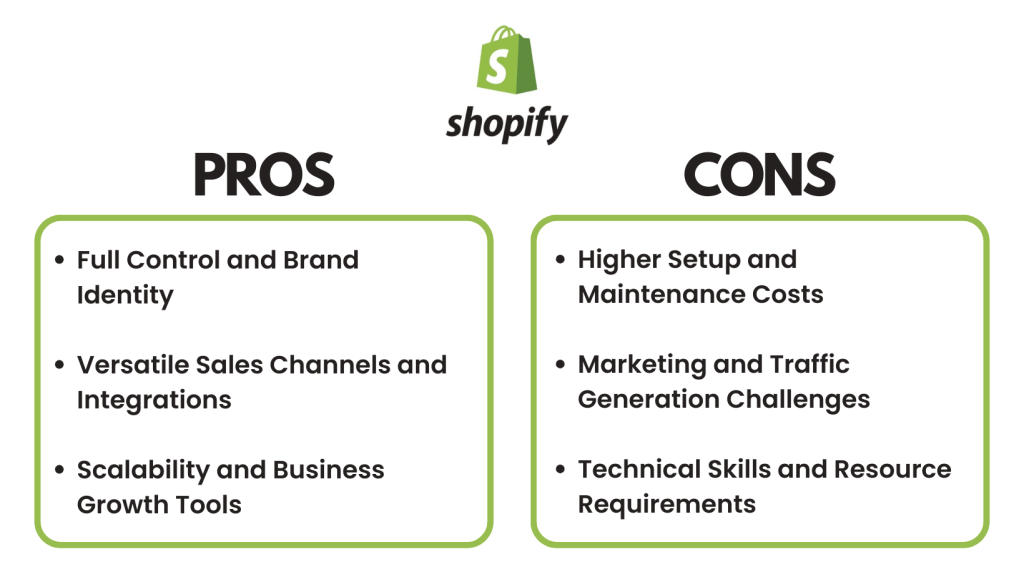
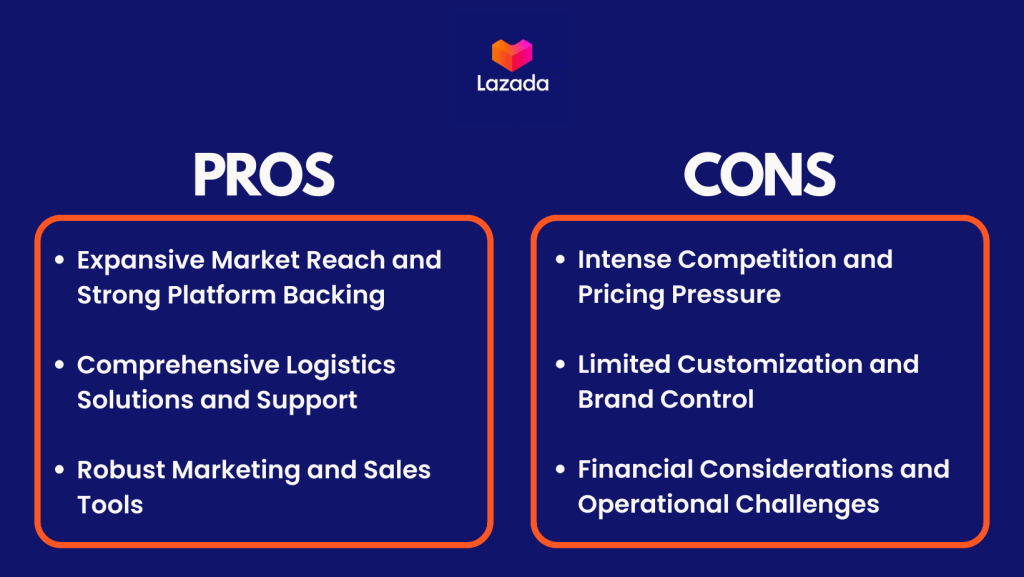
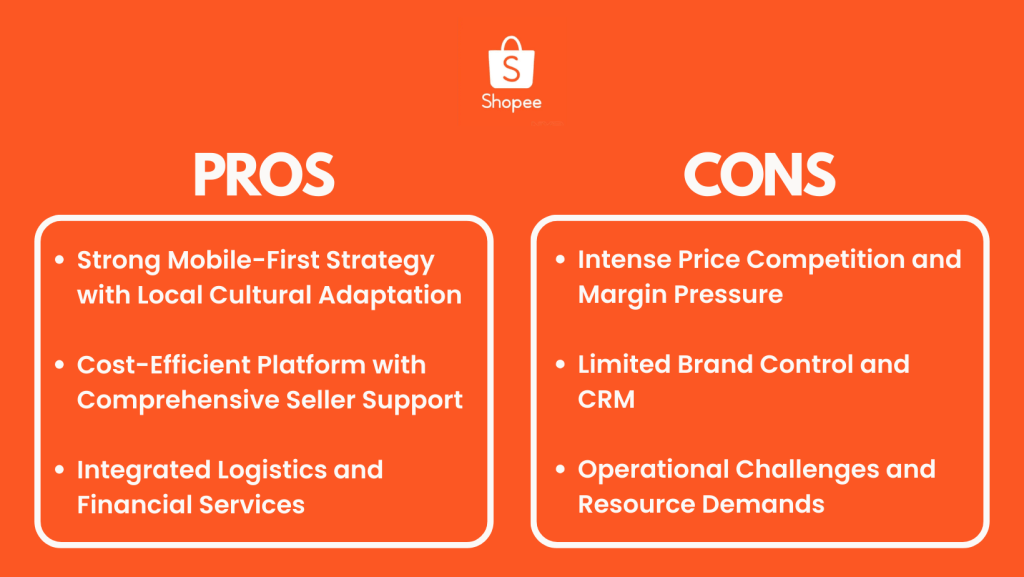
Shopify excels in establishing a strong brand identity and providing a customized shopping experience. However, Shopee and Lazada offer unparalleled reach and convenience in Southeast Asia.
These platforms attract millions of active buyers and are known for their seamless shopping experiences, making them essential for sellers looking to scale.
Why Shopee and Lazada Matter
- Shopee: Dominates mobile-first shopping in Southeast Asia.
- Lazada: Backed by Alibaba, with massive logistical infrastructure.
- Combined Reach: Over 400 million monthly active users.
- Customer Trust: Built-in payment solutions and robust return policies.
- Logistics Support: Established networks across Southeast Asia.
Shopify vs Shopee and Lazada: how do they compare?
In short: Shopify gives you brand control, margins and customer relationships; Shopee and Lazada give you reach, trust and logistics. Most Singapore brands get the best results running both.
Aspect | Shopify | Shopee & Lazada |
|---|---|---|
Brand Control | Full control over branding and design | Limited branding control |
Customer Loyalty | High potential for repeat purchases | Loyalty shifts based on price and convenience |
Reach | Requires marketing efforts for visibility | Large built-in audience |
Fees | Monthly Shopify fees, no transaction fees | Commission and transaction fees apply |
Logistics | Self-managed or third-party integrations | Built-in logistics support |
Ease of Use | Customization requires effort | Plug-and-play simplicity |
What are the advantages of selling on Shopee and Lazada?
In short: Instant access to millions of active shoppers, local payment options like cash-on-delivery, built-in logistics, and platform marketing tools — without building an audience from scratch.
🌟 Advantages
1. Instant Access to Massive Traffic
Both platforms attract millions of daily users, including price-sensitive shoppers who may not discover your Shopify store. This enables SMBs to reach new audience segments effortlessly.
- No need to build audience from scratch
- Built-in customer trust
- Lower customer acquisition costs
2. Local Payment Integration
Shopee and Lazada support regional payment methods, including cash-on-delivery (COD), and handle transactions in local currencies—options that Shopify may not easily provide.
- Support for regional payment methods
- Cash on delivery options
- Local currency handling
3. Built-In Logistics Support
Both platforms simplify shipping, offering services like Lazada Logistics and Shopee SPX Express, making cross-border commerce and returns hassle-free.
- Trusted delivery systems.
- Warehousing solutions for scalability.
- Reduced logistical complexity for sellers.
4. Marketing Tools
Shopee and Lazada offer seller-focused marketing tools such as flash sales, paid ads, and campaign participation, making it easier to boost visibility without advanced marketing expertise.
- Flash deals and campaign opportunities.
- Platform-specific advertising tools.
- Audience-targeting features.
What are the challenges — and how do you solve them?
In short: The main hurdles are platform fees, inventory sync, brand dilution and price pressure — all manageable with the right pricing strategy and integration tools.
While the benefits are undeniable, Shopify sellers may encounter these challenges:
1. Platform Fees
Both Shopee and Lazada charge transaction fees and commissions that can eat into your profit margins.
- Shopee Singapore (2026): commission around 2–6% by category plus a 2.18% transaction fee, with optional programmes (e.g. cashback, free shipping) adding more. Lazada Singapore (2026): category commissions of roughly 2–8% — most rates rose 3% from February 2026 unless you join Lazada’s SPA programme — plus a 2% payment fee. Budget realistically for fees of 10–20% of selling price once programmes are included.
Solution:
- Factor fees into pricing strategy.
- Offset costs with higher sales volume.
2. Inventory Management
Managing inventory across multiple platforms can become complex, particularly for SMBs with limited resources.
- Multiple platforms = complexity
Solution:
- Use integration tools for inventory synchronization.
- Automate stock updates to prevent overselling.
3. Customer Service Demands
- Different platform requirements
Solution:
- Implement unified customer service tools.
- Leverage chat automation for quick responses.
4. Price Competition
Marketplace shoppers prioritize convenience and price, potentially undercutting brand loyalty.
- Race to the bottom pressure
Solution:
- Offer unique or premium products.
- Highlight value-added services or features.
Which tools sync Shopify with Shopee and Lazada?
In short: Connector apps from the Shopify App Store keep stock, prices and orders in sync across all three channels from a few US dollars a month.
Efficient integration tools make expanding to Shopee and Lazada more manageable:
1. Osco: Shopee, Lazada, TikTok (from $9/month)
- Connect to multiple Marketplaces: Shopee, Lazada, TikTok Shop
- Keep inventory in-sync between Shopify and Marketplace in real-time
- Publish new products to Shopee, Lazada, TikTok Shop in one-click
- Link existing products on Shopee, Lazada, TikTok Shop easily
- Import Marketplace orders into Shopify
2. Easy Shopee, Lazada & TikTok (from $5/month)
- Add products to Shopee, Lazada & TikTok in 1 click
- Keep your Shopify stock, prices, title, description, images and variants in sync
- Orders are imported into Shopify and synced when shipped or cancelled
- Link or import existing products on Shopee, Lazada & TikTok to Shopify
- Over 60 options to tweak the app to fit your workflow
What are the short-term and long-term benefits?
In short: Short term: more sales volume and brand discovery. Long term: diversified revenue, lower platform risk, and stronger brand recognition across Southeast Asia.
Short-Term Benefits
- Boost Sales Volume: The immediate benefit of listing on Shopee and Lazada is increased sales by reaching their massive user base.
- Brand Discovery: SMBs can use marketplaces as a stepping stone for customers to discover their Shopify store.
Long-Term Benefits
1. Revenue & Risk Diversification
Expanding to Shopee and Lazada reduces dependency on Shopify, protecting your business from sudden traffic drops or policy changes. Higher sales volumes across platforms can reduce per-unit costs in manufacturing and logistics, improving overall margins.
- Not dependent on single platform
- Protection against policy changes
- Market presence sustainability
2. Brand Recognition
Presence on multiple platforms builds trust and increases visibility, solidifying your brand in a competitive market.
- Multi-platform presence builds trust
- Increased brand visibility
- Cross-platform customer recognition
3. Market Intelligence
Selling on Shopee and Lazada provides invaluable data on customer preferences, pricing trends, and competitor activity, which can inform your overall business strategy.
- Better understanding of regional preferences
- Price point optimization
- Product trend insights
4. Scalability and Regional Growth
Utilize the built-in infrastructure of Shopee and Lazada to scale and expand into new markets.
- Easier regional expansion
- Built-in growth infrastructure
- Cross-border possibilities
How do you make multichannel selling work?
In short: Start small with best-sellers, keep branding and pricing consistent, use each platform’s campaign tools, and let the analytics tell you where to double down.
- Start Small
- Begin with best-selling products
- Test market response
- Scale gradually
2. Maintain Brand Consistency
- Unified messaging across platforms
- Consistent pricing strategy
- Cohesive brand imagery
3. Leverage Platform Features
- Participate in platform campaigns
- Use platform-specific tools
- Engage with platform communities
4. Monitor Analytics - Track cross-platform performance
- Identify winning strategies
- Optimize based on data
Is expanding to Shopee and Lazada right for you?
Expanding to Shopee and Lazada is ideal if:
- You’ve established stable operations on Shopify.
- You’re ready to scale regionally and handle higher sales volume.
- You want to diversify revenue and reduce risk.
The Bottom Line
For SMB Shopify sellers, expanding to Shopee and Lazada isn’t just a growth option—it’s a smart strategy to stay competitive in Southeast Asia’s thriving eCommerce market. These platforms provide unmatched access to millions of customers, streamlined logistics, and valuable market insights.
At Soodo, we specialize in helping brands like yours scale seamlessly across platforms. From integration to strategy, we empower SMBs to meet customers where they shop and grow sustainably.
The Southeast Asian market is waiting. Are you ready to take your Shopify success to the next level?
For further insights, explore our resources:
- Building Your eCommerce Brand in Singapore: Comparing Amazon, Shopify, Lazada, and Shopee
- A Seller’s Complete Guide to Moving from Shopee to Shopify
- Top Shopify Apps for New eCommerce Businesses
Frequently asked questions
Should I sell on Shopee and Lazada if I already have a Shopify store?
Yes, in most cases. Treat the marketplaces as acquisition channels for reach and discovery, while your Shopify store remains the brand home where margins and customer relationships are strongest.
What fees do Shopee and Lazada charge Singapore sellers in 2026?
Shopee charges commission of roughly 2–6% by category plus a 2.18% transaction fee, with optional programmes on top. Lazada charges category commissions of about 2–8% (most rates rose 3% from February 2026 unless you are on the SPA programme) plus a 2% payment fee.
How do I keep inventory in sync between Shopify, Shopee and Lazada?
Use a connector app from the Shopify App Store — tools like Osco or Easy Shopee, Lazada & TikTok sync stock, prices and orders in real time from a few US dollars a month, which prevents overselling across channels.
Will selling on marketplaces hurt my Shopify store?
Not if you position them deliberately. Keep exclusive products, bundles or perks on your Shopify store so marketplace buyers have a reason to graduate to it, and keep pricing consistent to avoid channel conflict.
Ready to make your Shopify store pull its weight in a multichannel setup? Soodo’s Shopify optimisation service starts from SGD $1,000 — see our Shopify development cost guide for full pricing, or compare channels in Shopify vs Shopee and Lazada: where to set up shop.

Jessica Bong
Jessica Bong is the founder of Soodo, a Singapore-based Shopify development and CRO agency. She built and scaled her own eCommerce brand before starting Soodo, and has since audited 60+ Shopify stores. Jessica also teaches eCommerce at Equinet Academy. Her hands-on experience running a live brand gives Soodo an edge most agencies lack.